Sligo Passage tombsPassage tombs are a category of Megalithic monument form the Neolithic period.
The burials which took place in these passage tombs went accompanied by a limited range of objects. An example of this is Carrowkeel where long pins made from Antlers were found, but also pendants and pottery). The human remains which were placed in the chamber were burnt or unburnt . Many of the passage tombs have solar alignment with the winter or summer solstice. |
Carrowkeel
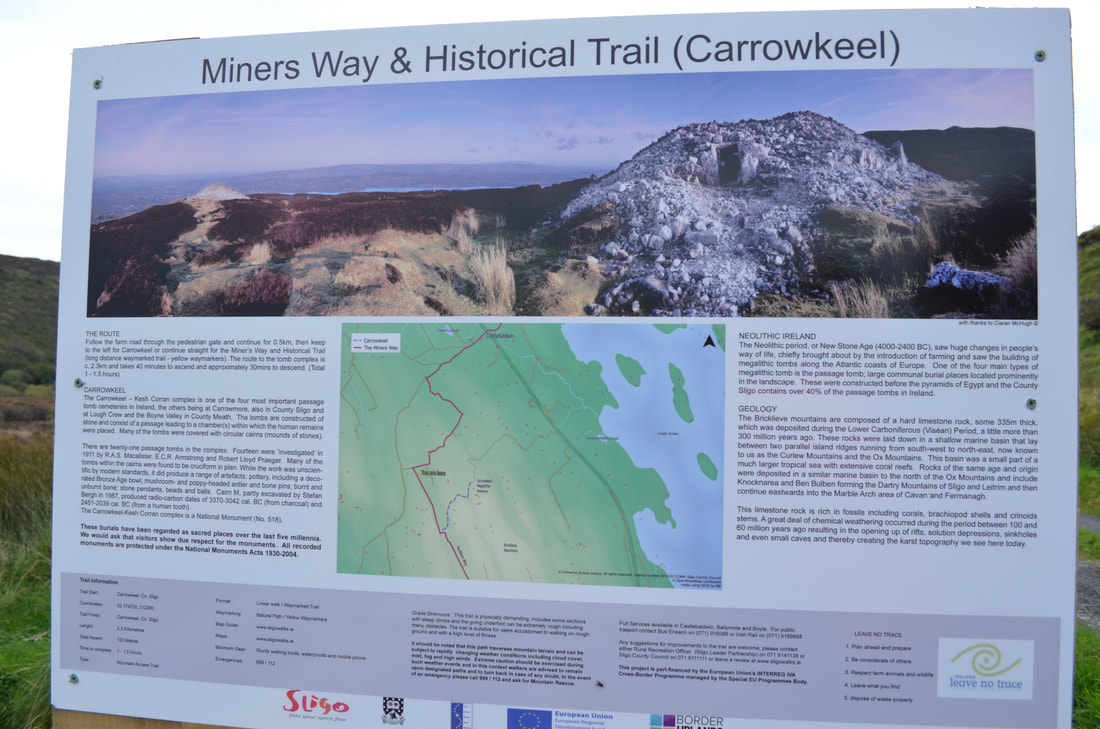
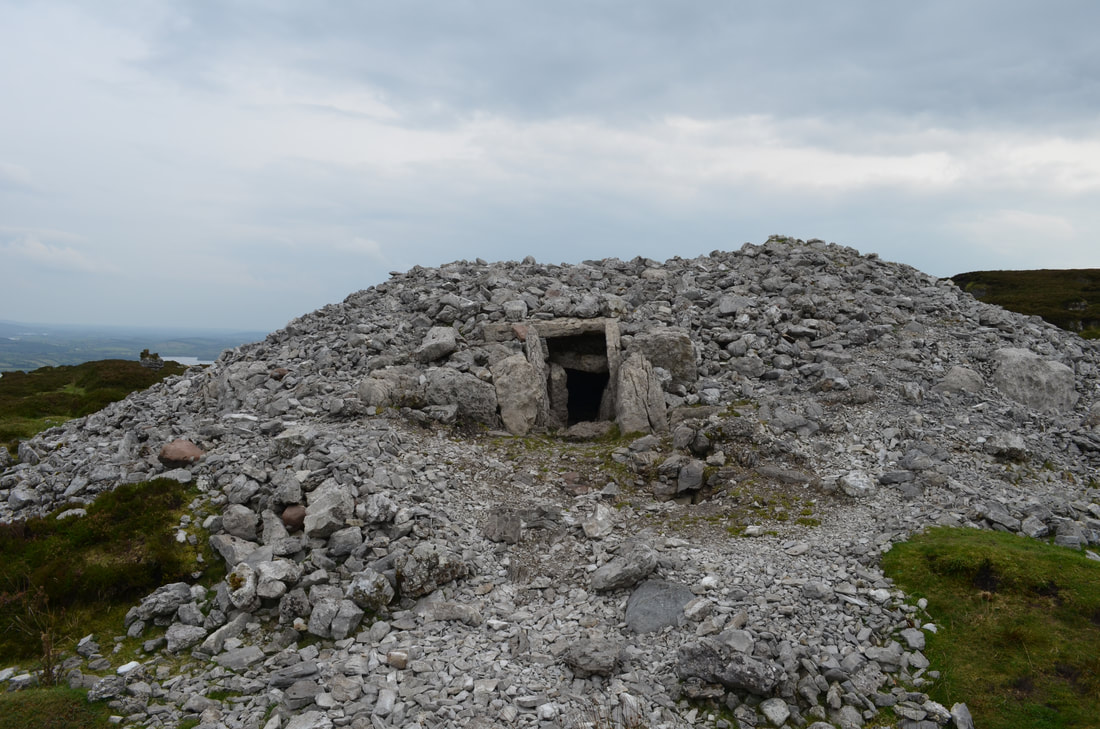
Carrowkeel is an amazing Neolithic hilltop passage tomb complex located in the Bricklieve mountains.
Perched high in the Bricklieve mountains, the Carrowkeel complex offers not only archaeological wonder but also sweeping views that make the journey feel like a pilgrimage through time.
The cairn complex was built around 3200 - 2400 B.C. and is one of the four main passage tomb cemeteries in Ireland.
Highlights of Carrowkeel
Visiting Tips
Opening times: Always open
Admission fee: €0
Perched high in the Bricklieve mountains, the Carrowkeel complex offers not only archaeological wonder but also sweeping views that make the journey feel like a pilgrimage through time.
The cairn complex was built around 3200 - 2400 B.C. and is one of the four main passage tomb cemeteries in Ireland.
Highlights of Carrowkeel
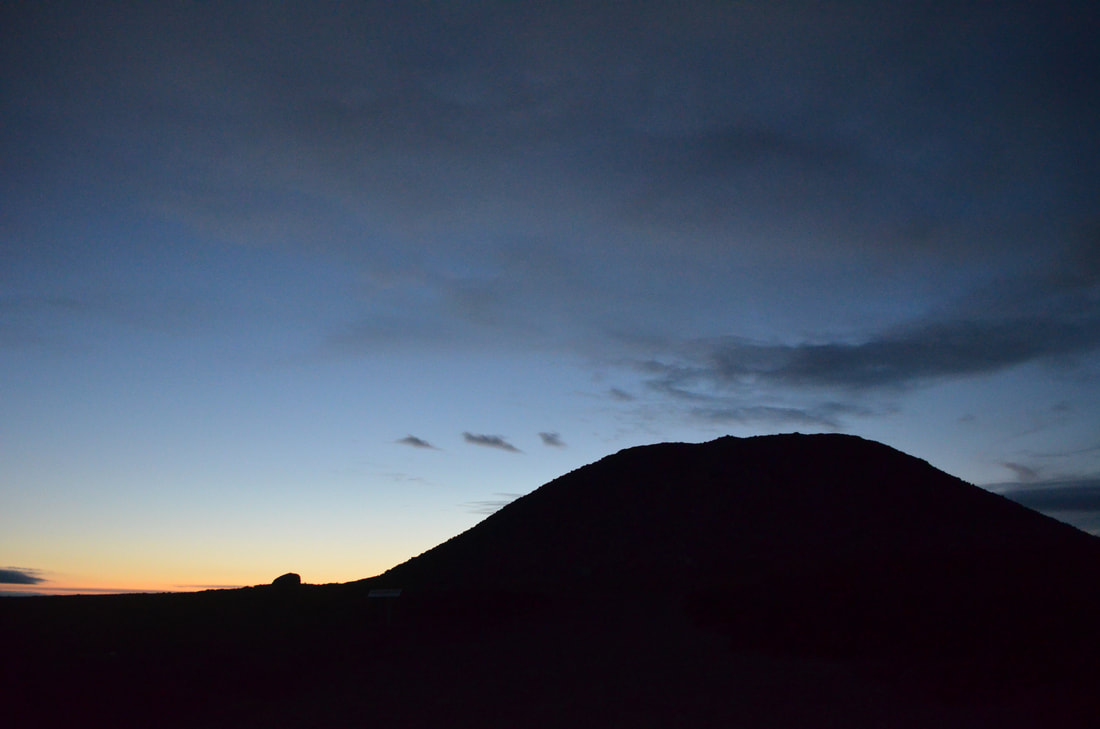
- Cairn G: This is the showstopper. Its roofbox, aligned to the midsummer sunset, is a rare architectural feature — the only other known example being at Newgrange, which aligns to the winter solstice sunrise. The triple-chambered design inside Cairn G reflects a sophisticated ritual layout, likely tied to beliefs about death and rebirth.
- Cairn H: Though more eroded, it still holds its place in the ceremonial landscape. Its ruinous state adds a haunting beauty, as if time itself has softened its edges.
- Cairn K: With its 7-meter passagfe pointing towards Queen Maeve's cairn on Knocknarea, this alignment suggests a deliberate connection between sacred sites — possibly reflecting mythological or ancestral ties.
- Cairn L: Often overlooked, but it completes the quartet at the summit and adds to the sense of a planned necropolis.
Visiting Tips
- The walk from the car park is steep but rewarding. Good footwear is essential, and the weather can change quickly — so layers help.
- The tombs are fragile and sacred.
Opening times: Always open
Admission fee: €0
Carrowmore Megalithic cemetary
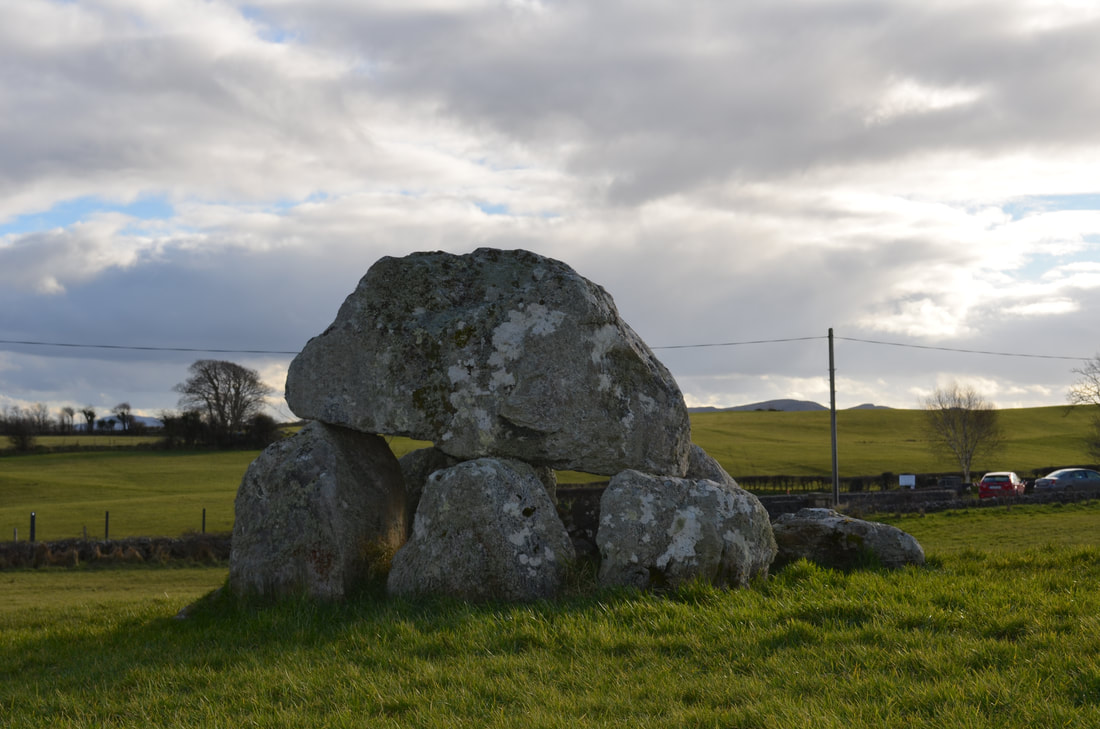
Carrowmore is a jaw-dropping timescapsule — a sprawling Neolithic cemetery that predates even Newgrange and the Egyptian pyramids. Located on the Coolera Peninsula near Sligo town, it’s the largest and oldest megalithic complex in Ireland, and one of the most significant in all of Europe.
What Makes Carrowmore So Special?
Visitor Experience
Opening times: Currently closed for renovations
Admission fee:
Adult: €5.00
Sen/Group: €4.00
Child/Student: €3.00
Family: €13.00
What Makes Carrowmore So Special?
- Over 60 tombs have been identified, with 30 Many of these are boulder circles boulder circles, often containing central dolmens or rudimentary passages, representing an early form of passage grave.
- The central monument, Listoghil, is a restored cairn that likely served as the focal point of ritual activity. It’s aligned with other tombs in the complex and offers clues to Neolithic cosmology.
Visitor Experience
- The visitor centre, housed in a restored cottage, features an interpretive exhibition that brings the Neolithic world to life.
- Guided tours are available, and the site is open daily with modest admission fees.
- Wear sturdy shoes — the paths are grassy and uneven, but the views and atmosphere are unforgettable.
Opening times: Currently closed for renovations
Admission fee:
Adult: €5.00
Sen/Group: €4.00
Child/Student: €3.00
Family: €13.00
Heapstown Cairn
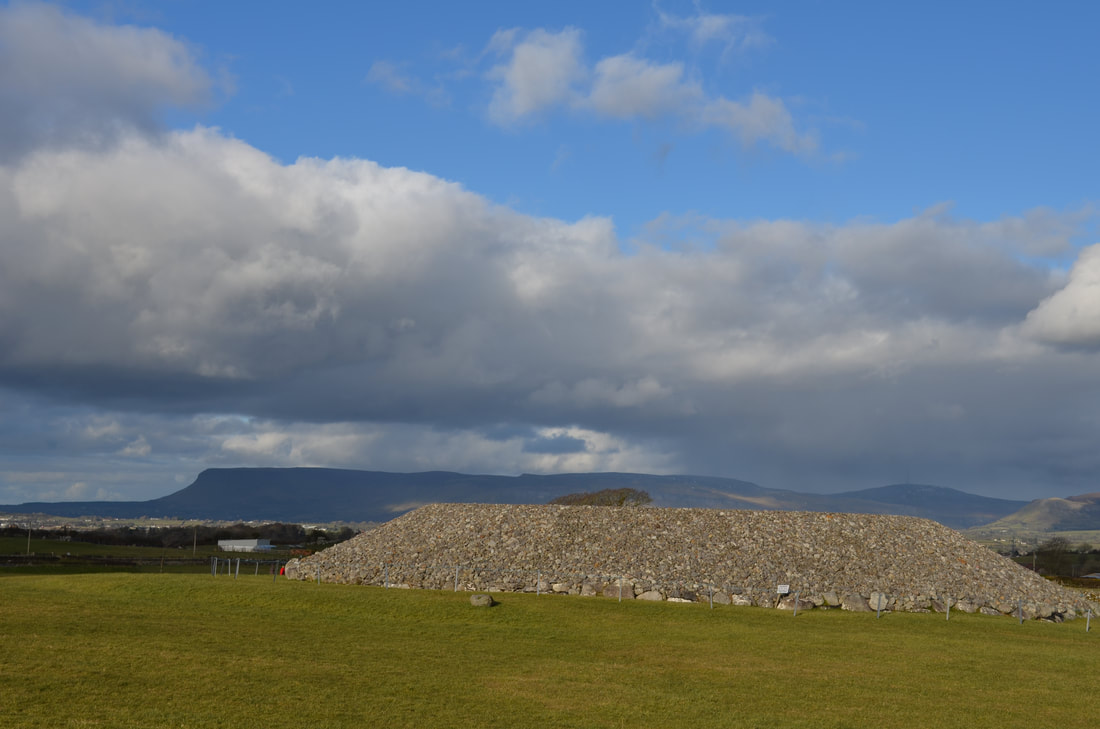
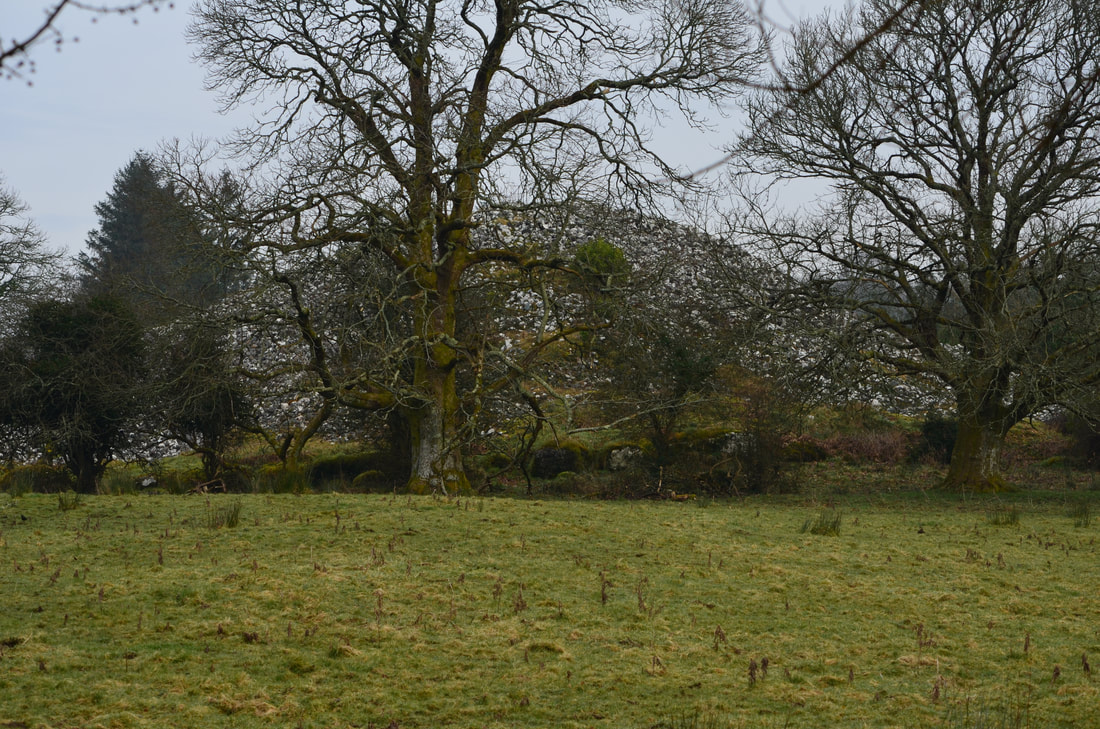
Heapstown is located on private land and can not be accessed. Heapstown is up until now unexcavated and is likely to have an unopened chamber. The original cairn was much larger , but a lot of stones have been removed over the years.
It is believed that the cairn is approx. 60m in diameter, a lot of the kerb stones are visible around most of the cairn
Heapstown Cairn is one of County Sligo’s most enigmatic and underappreciated prehistoric monuments. Located near Lough Arrow, this massive stone mound—known in Irish as Carn Ochtriallach—is believed to date back to around 3000 BC, placing it firmly within the Neolithic period and aligning it with other passage tombs like those at Carrowkeel and Carrowmore.
Key Features of Heapstown Cairn
Heapstown Cairn is located on private land and is not currently accessible to the public. Its remote setting and lack of excavation have helped preserve its mystery, but also leave it vulnerable to erosion and neg
It is believed that the cairn is approx. 60m in diameter, a lot of the kerb stones are visible around most of the cairn
Heapstown Cairn is one of County Sligo’s most enigmatic and underappreciated prehistoric monuments. Located near Lough Arrow, this massive stone mound—known in Irish as Carn Ochtriallach—is believed to date back to around 3000 BC, placing it firmly within the Neolithic period and aligning it with other passage tombs like those at Carrowkeel and Carrowmore.
Key Features of Heapstown Cairn
- Size & Structure: The cairn measures approximately 60 - 63 meters in diameter and originally stood much taller—possibly up to 12 meters high. Over the centuries, large quantities of stone were removed for local construction, significantly reducing its height3.
- Kerbstones: Many of the massive limestone kerbstones remain visible around the perimeter, some bearing megalithic art, including vertical line carvings discovered in 1998.
- Unexcavated Chamber: Despite its prominence, Heapstown remains unexcavated, and archaeologists believe it may conceal a passage grave beneath its surface, similar in style to those found at Carrowkeel.
Heapstown Cairn is located on private land and is not currently accessible to the public. Its remote setting and lack of excavation have helped preserve its mystery, but also leave it vulnerable to erosion and neg
Maeve's Cairn
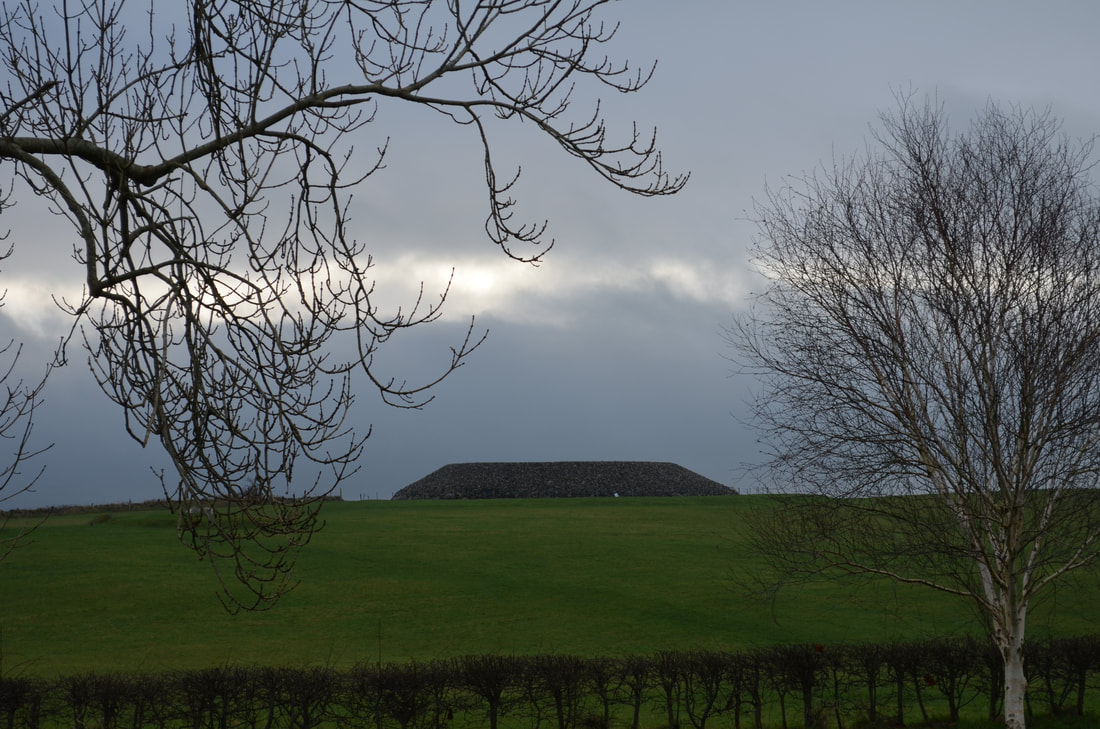
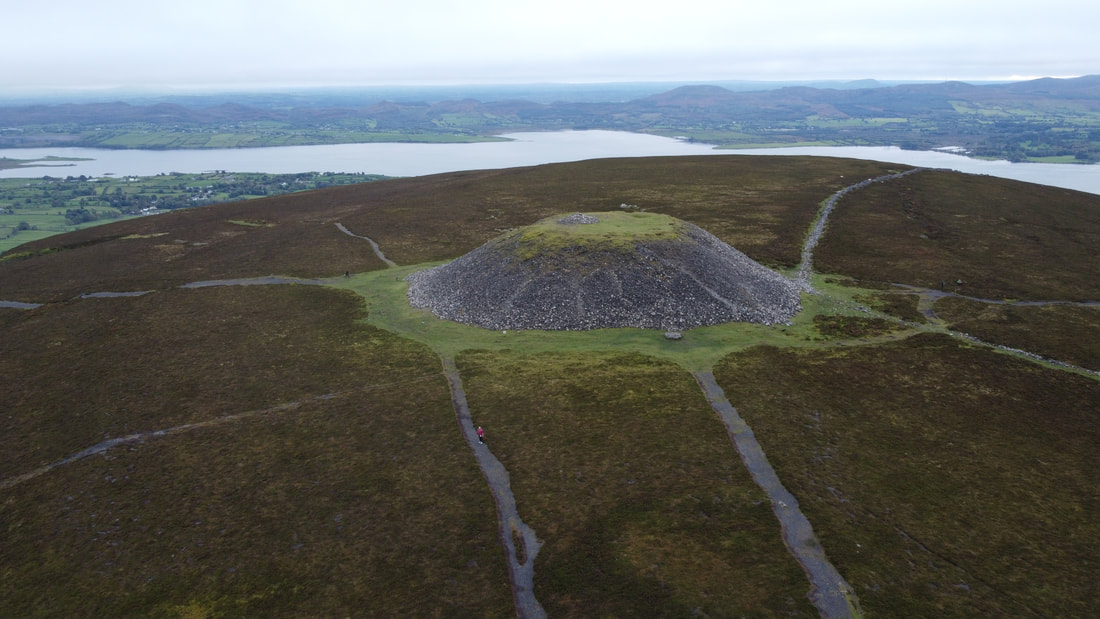
Absolutely—Medb’s Cairn atop Knocknarea is one of Ireland’s most awe-inspiring and mysterious prehistoric monuments. Towering over Sligo Bay, this massive stone mound, also known as Miosgan Meadhbha, is steeped in both archaeological intrigue and mythological lore.
Key Facts About Medb’s Cairn
Opening times: Always open
Admission fee: €0
Key Facts About Medb’s Cairn
- Size & Scale: Roughly 50 meters in diameter and 10 meters high, it’s the largest unexcavated cairn in Ireland outside the Brú na Bóinne complex (which includes Newgrange).
- Unexcavated Mystery: Despite its prominence, the cairn has never been excavated, leaving its internal structure and any potential burial chamber untouched.
- Passage Tomb Features: Its form and location suggest it may be a Neolithic passage tomb , similar to those at Carrowkeel and Loughcrew. The shape, size, and surrounding landscape align with classic tomb-building traditions of around 3000 BC
- Quarry Evidence: A nearby depression is believed to be the source of the stones used to build the cairn
- According to legend, the cairn is the burial place of Queen Medb, the fiery warrior queen of Connacht. One tale claims she was killed by a slingshot of cheese (yes, cheese!) and buried upright, facing her enemies in Ulster.
- The site is part of a larger mythological landscape, with views of other sacred sites like Carrowkeel, Croaghaun Mountain, and Cairns Hill
Opening times: Always open
Admission fee: €0