AbbeysIreland’s legacy as the “island of scholars and saints” is etched into the very stones of places like Inishmurray, off the coast of County Sligo. This remote island holds one of the most extraordinary monastic sites in the country, founded in the 6th century by St. Molaise. It flourished for centuries before Viking raids and isolation led to its decline.
|
Sligo Abbeys
Ballindoon Abbey
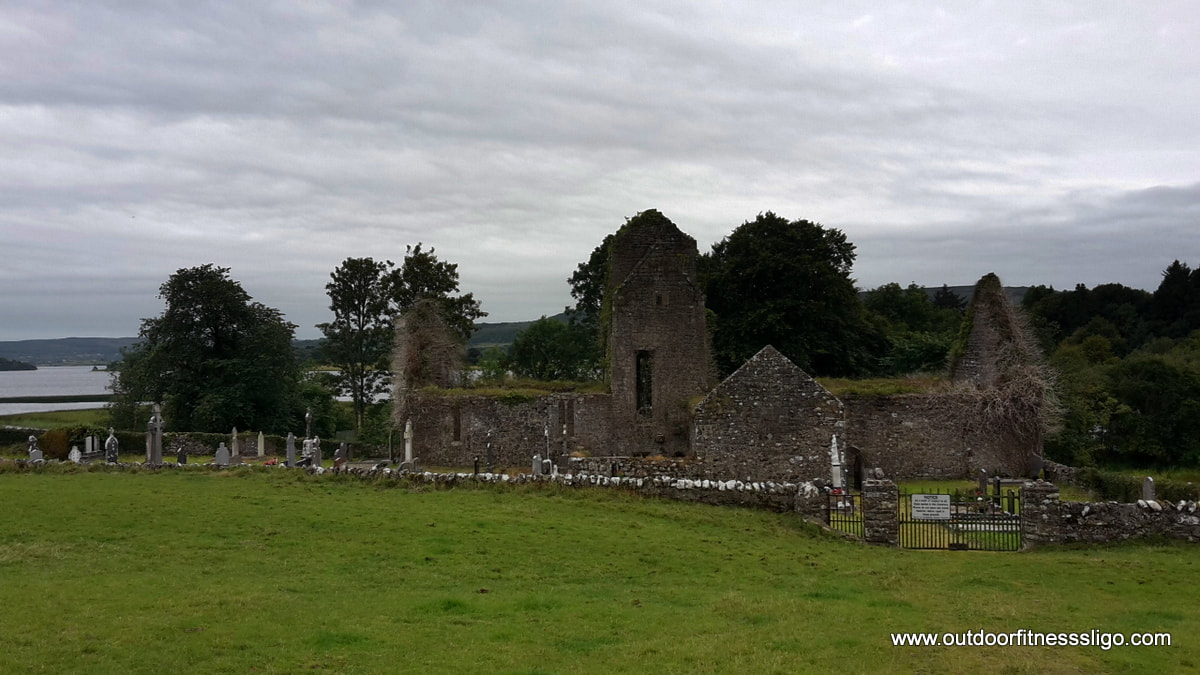
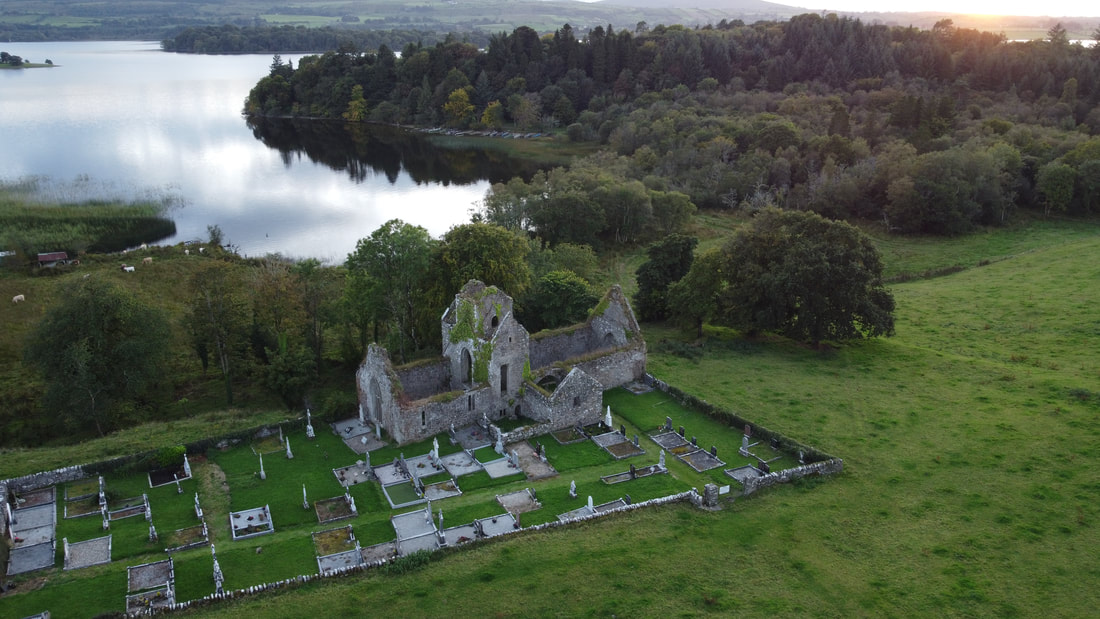
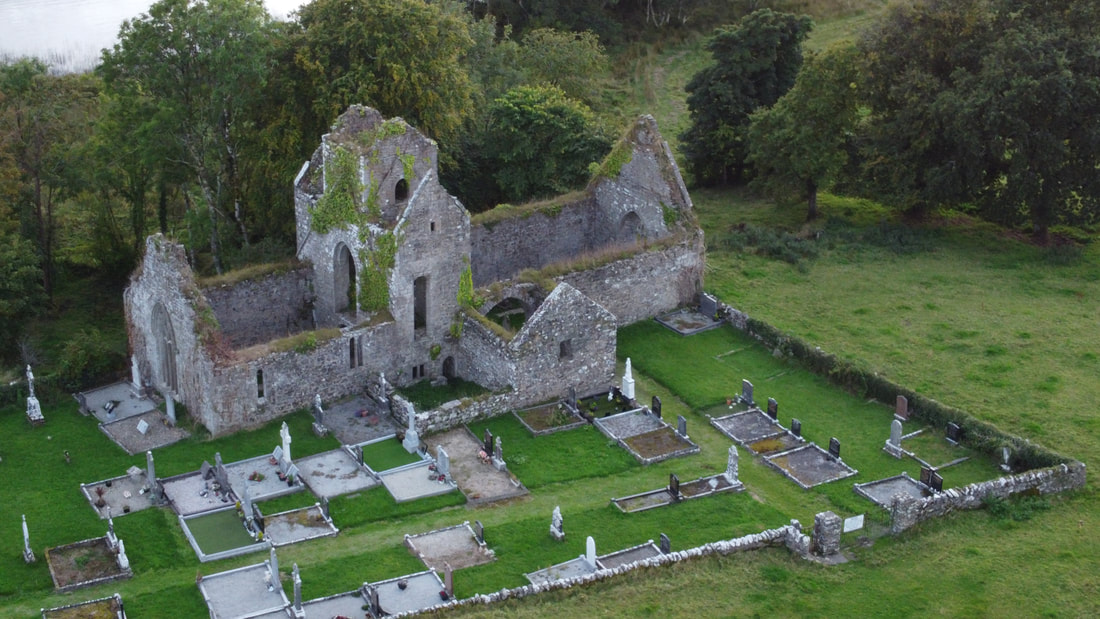
Perfectly placed along the tranquil eastern shore of Lough Arrow , the ruins of Ballindoon Abbey offer a striking glimpse into Ireland’s late medieval monastic architecture. Founded in 1507 by Thomas O'Farrell, this Dominican Priory is notable for its architectural consistency—built entirely in the Middle English Gothic style, which lends the site a cohesive and elegant aesthetic.
Despite centuries of weathering, the abbey remains a peaceful and evocative site, still used as a working burial ground and cherished by locals and visitors alike for its serene beauty and historical depth
Opening times: 24 hours, 7 days
Admission fee: € 0
Despite centuries of weathering, the abbey remains a peaceful and evocative site, still used as a working burial ground and cherished by locals and visitors alike for its serene beauty and historical depth
Opening times: 24 hours, 7 days
Admission fee: € 0
Ballymote Fransiscan abbey
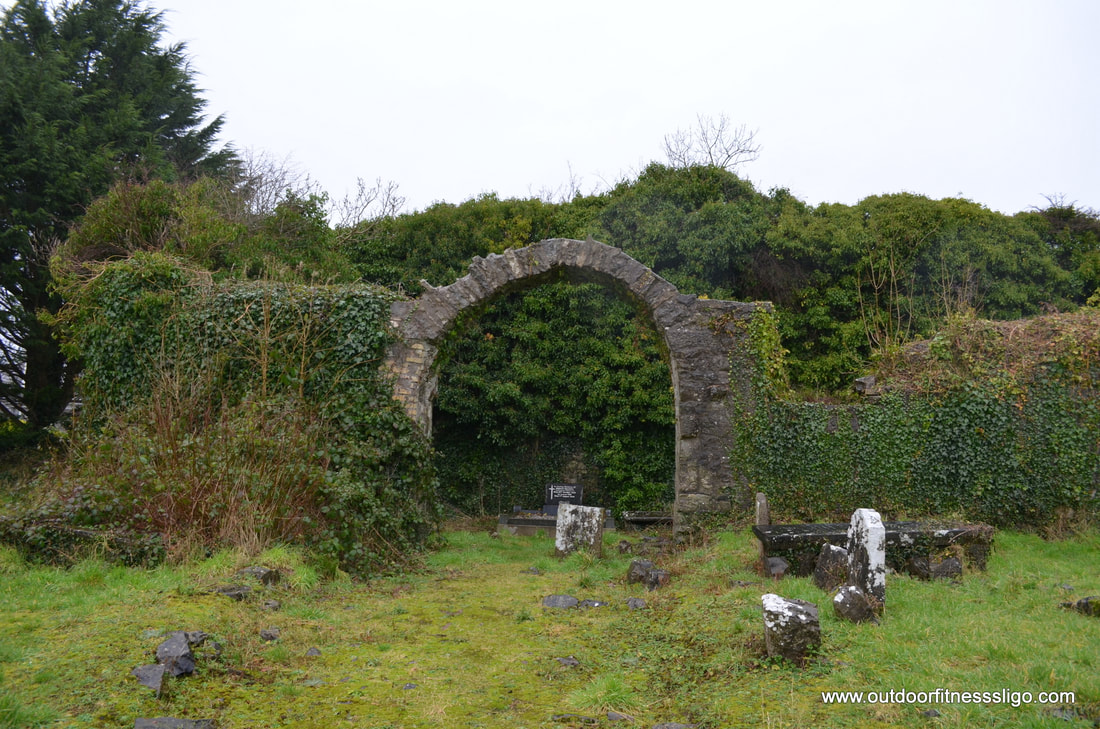
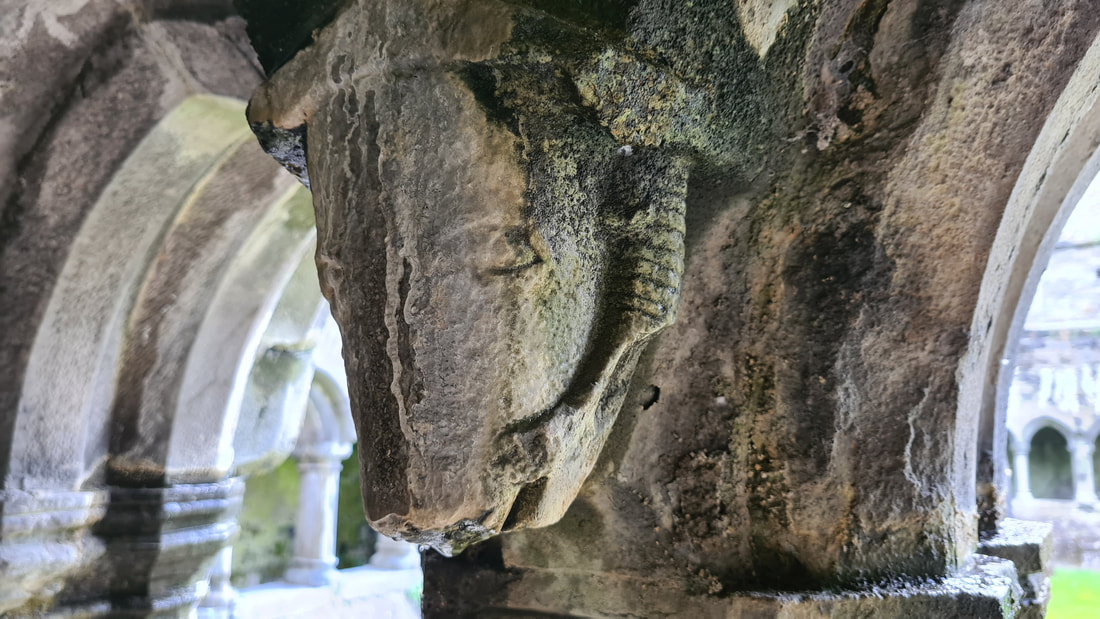
Ballymote Fransiscan Abbey, a now ivy-covered ruins was founded c.1442 AD by three brothers, Patrick, Andrew and Philip O'Coleman, under the patronage of McDonagh, who was then in residence at Ballymote castle. A head with a papal tiara over the western entrance is thought to be that of Pope Eugenius IV who granted permission for the founding.
The abbey was destroyed by the O'Rourkes about 1584 to deprive the then English occupant of the castle of any advantage it might be to him. The altar stood under the large east window.
Opening times: 24hours, 7 days
Admission fee: € 0
The abbey was destroyed by the O'Rourkes about 1584 to deprive the then English occupant of the castle of any advantage it might be to him. The altar stood under the large east window.
Opening times: 24hours, 7 days
Admission fee: € 0
Banada Abbey
Banada Abbey was founded by the Augustinian friars in the early 15th century, around 1423. It was established as a House of Observance, part of the Augustinian order’s efforts to expand monastic life in Ireland during that period. The friary was built on lands historic,ly associated with Gaelic chieftains like the O'Hara's,O'Connor's and Mc Dermott's and later came under Norman influence.
Later, the abbey was dissolved during the Reformation and subsequent suppression of monasteries. Afterwards, it was reused and expanded by the Sisters of Charity in the 19th century as a convent and school. The site eventually housed Banada Abbey Secondary School, which closed in 2002
Today, remnants of the original friary and later convent buildings still stand, offering a glimpse into centuries of religious and educational history.
Opening times: 24hours, 7 days
Admission fee: € 0
Later, the abbey was dissolved during the Reformation and subsequent suppression of monasteries. Afterwards, it was reused and expanded by the Sisters of Charity in the 19th century as a convent and school. The site eventually housed Banada Abbey Secondary School, which closed in 2002
Today, remnants of the original friary and later convent buildings still stand, offering a glimpse into centuries of religious and educational history.
Opening times: 24hours, 7 days
Admission fee: € 0
Court Abbey
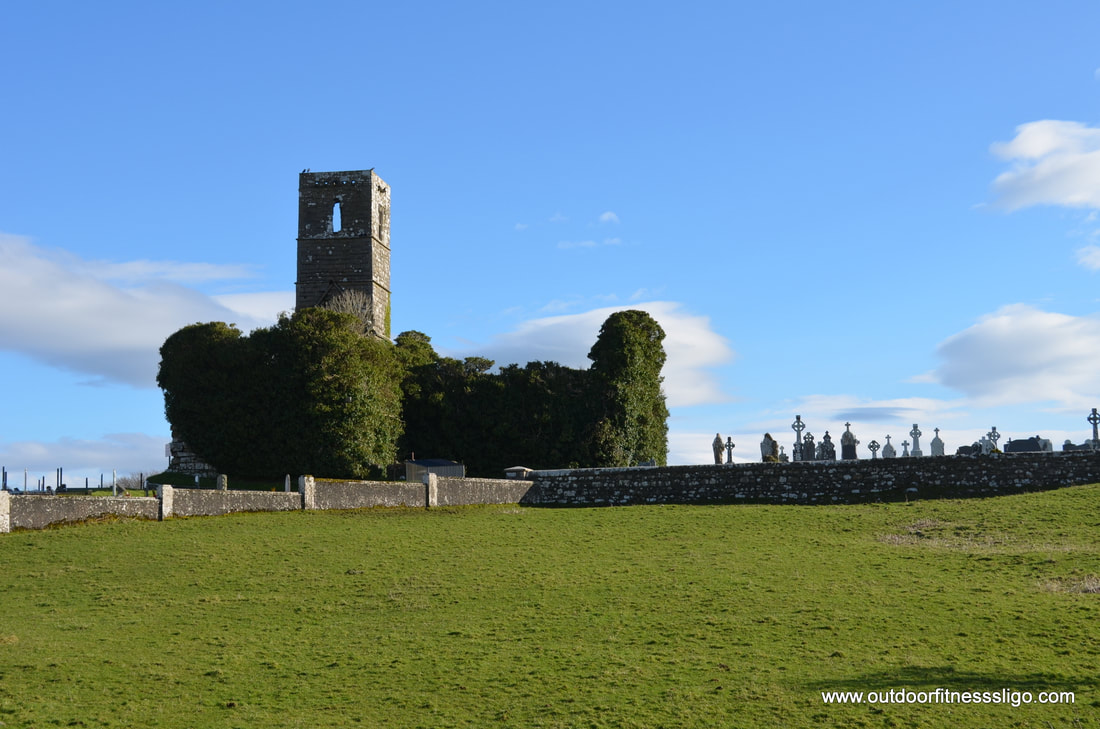
Tucked beneath the shadow of Knocknashee in south County Sligo, Court Abbey is a captivating 15th-century Fransiscan friary founded by the influential O'Hara family. Though often referred to as an "abbey," it was technically a friary belonging to the Fransiscan Third Order Regular, a branch known for its commitment to simplicity and community service.
Architectural features:
Admission fee: € 0
Architectural features:
- The most striking feature is the square central tower, dramatically positioned at the junction of the east and west chapels.
- A south transept, added in the 16th century, contains altar recesses and piscinae — small niches used for washing sacred vessels.
- Remnants of medieval wall paintings and original plaster still cling to the stonework, offering rare glimpses into the friary’s artistic past.
- The site also includes a burial vault for the O'Hara family, nestled against the tower in the chancel’s northwest corner
Admission fee: € 0
Easkey Abbey
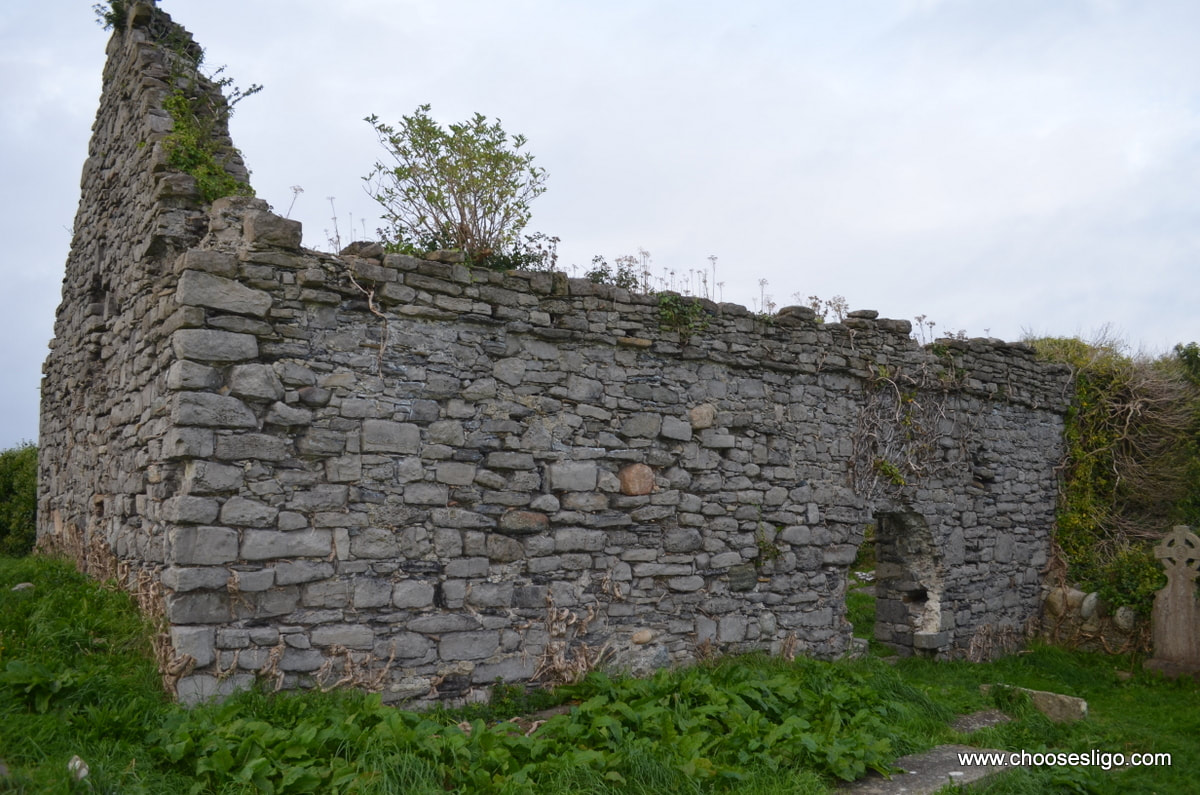
Right in the heart of Easkey village, the evocative ruins of Easkey Abbey whisper stories from Ireland’s medieval past. Believed to date from the 13th or early 14th century, this ecclesiastical site may have originally served as a parish church. Though time has worn away much of its structure, the abbey still holds some truly unique features.
Whale Bone Lintel
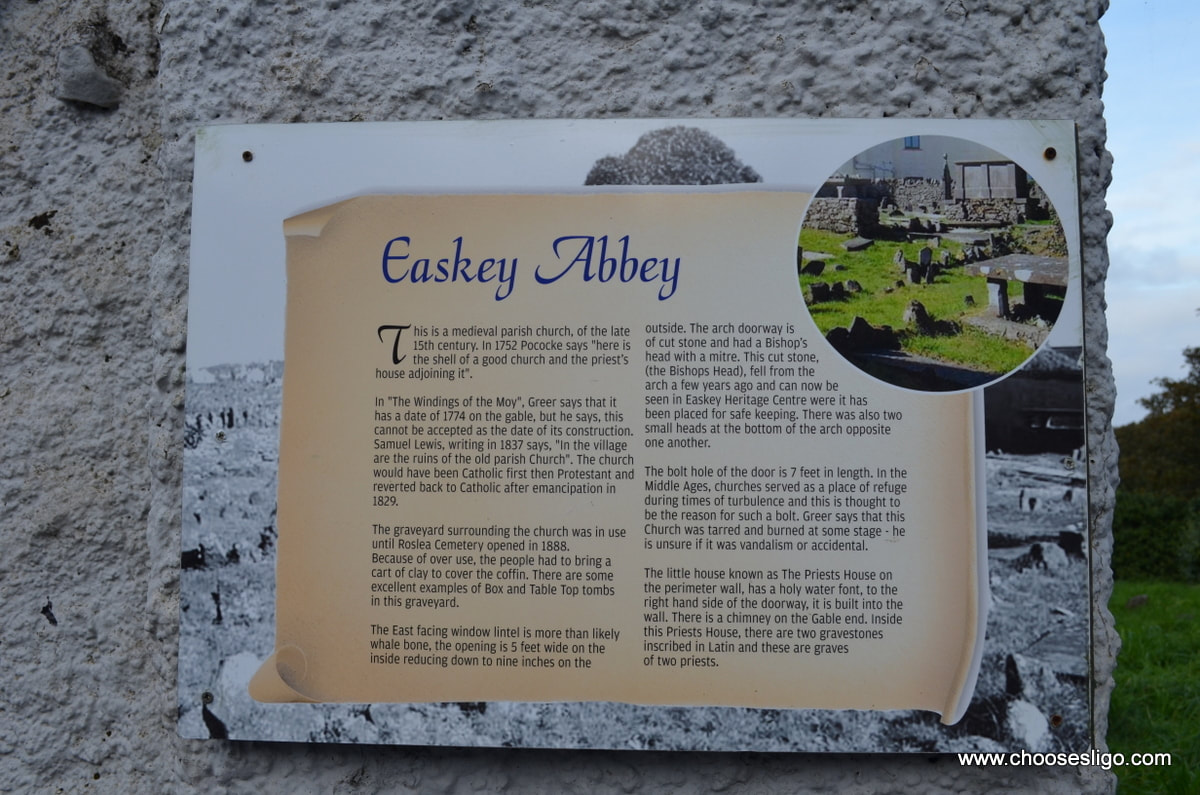
Perhaps the most curious detail is the east-facing window, whose lintel is thought to be made from whale bone - a rare and fascinating example of resourceful medieval craftsmanship
Graveyard Treasures
Surrounding the ruins is a graveyard that remained in use until 1888, showcasing box and table-top tombs that reflect local burial traditions. Within the nearby Priests House, you’ll also find Latin inscribed grave slabs marking the resting places of two priests
Architectural Remnants
Opening times: 24hours, 7 days
Admission fee: € 0
Whale Bone Lintel
Perhaps the most curious detail is the east-facing window, whose lintel is thought to be made from whale bone - a rare and fascinating example of resourceful medieval craftsmanship
Graveyard Treasures
Surrounding the ruins is a graveyard that remained in use until 1888, showcasing box and table-top tombs that reflect local burial traditions. Within the nearby Priests House, you’ll also find Latin inscribed grave slabs marking the resting places of two priests
Architectural Remnants
- Surviving east and west gables still rise to near full height
- A south wall with a reconstructed doorway, once adorned with carved stone heads including a bishop’s mitred figure
- Fragments of these carvings have been recovered and are now preserved in the Easkey Heritage Centre.
Opening times: 24hours, 7 days
Admission fee: € 0
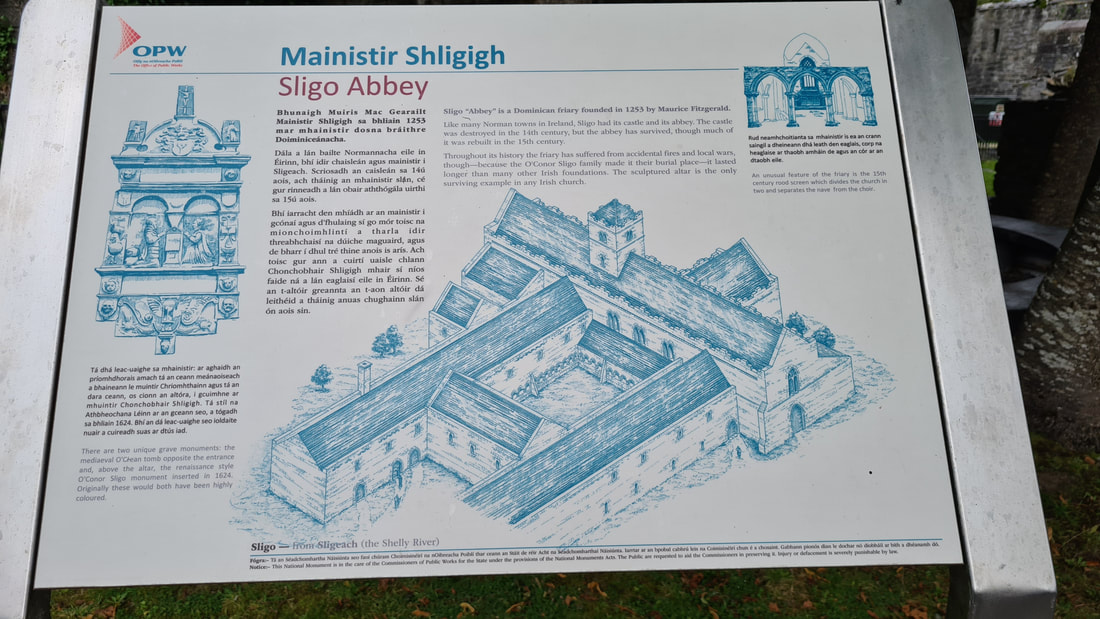
Sligo Abbey
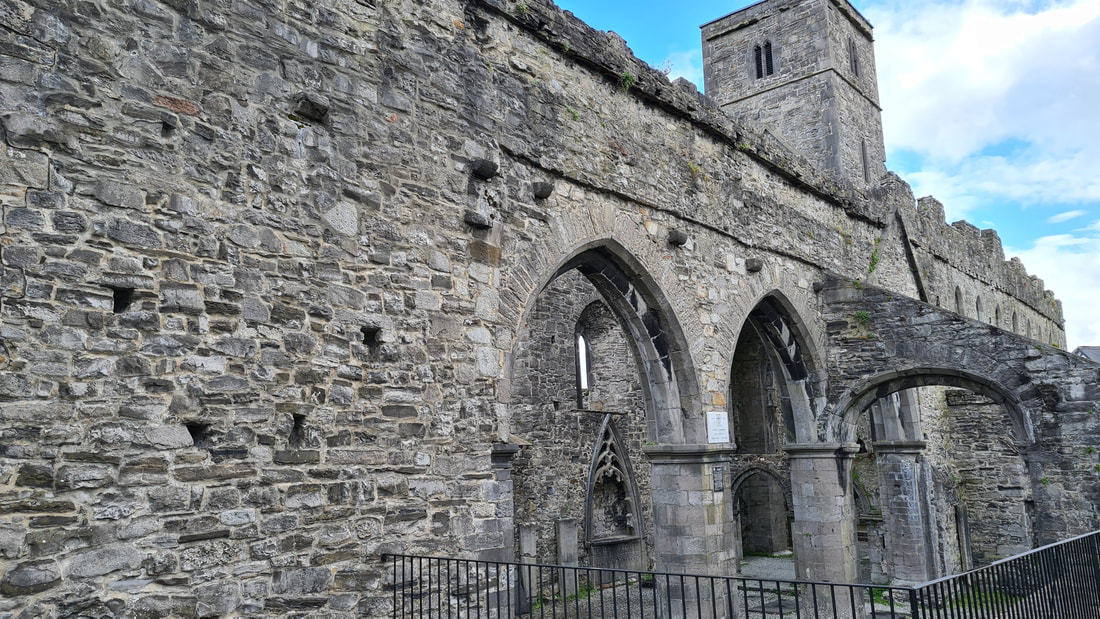
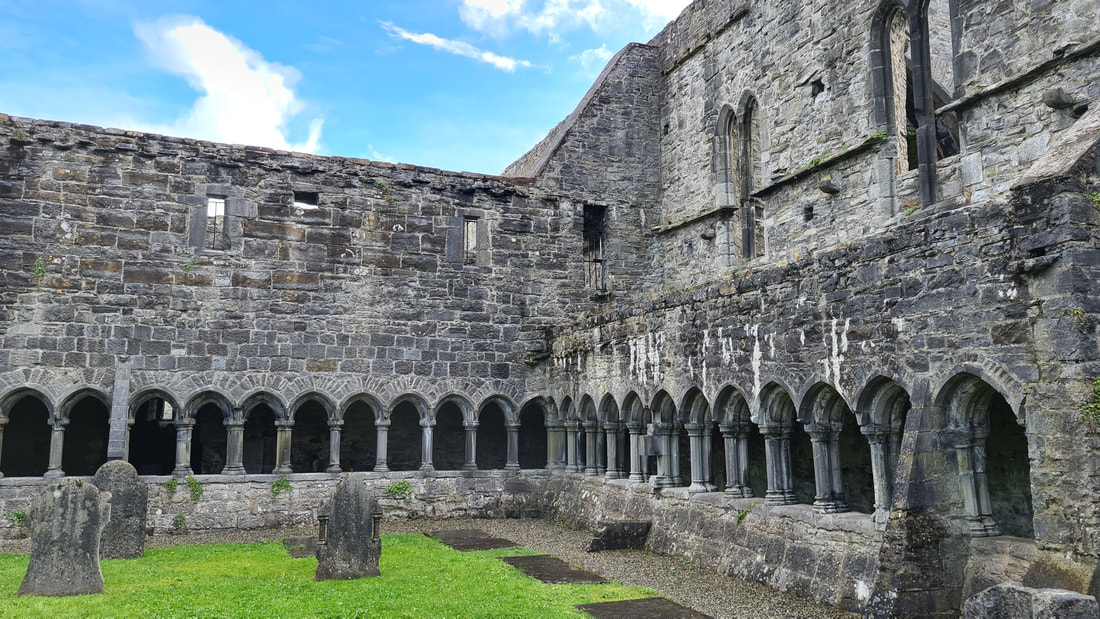
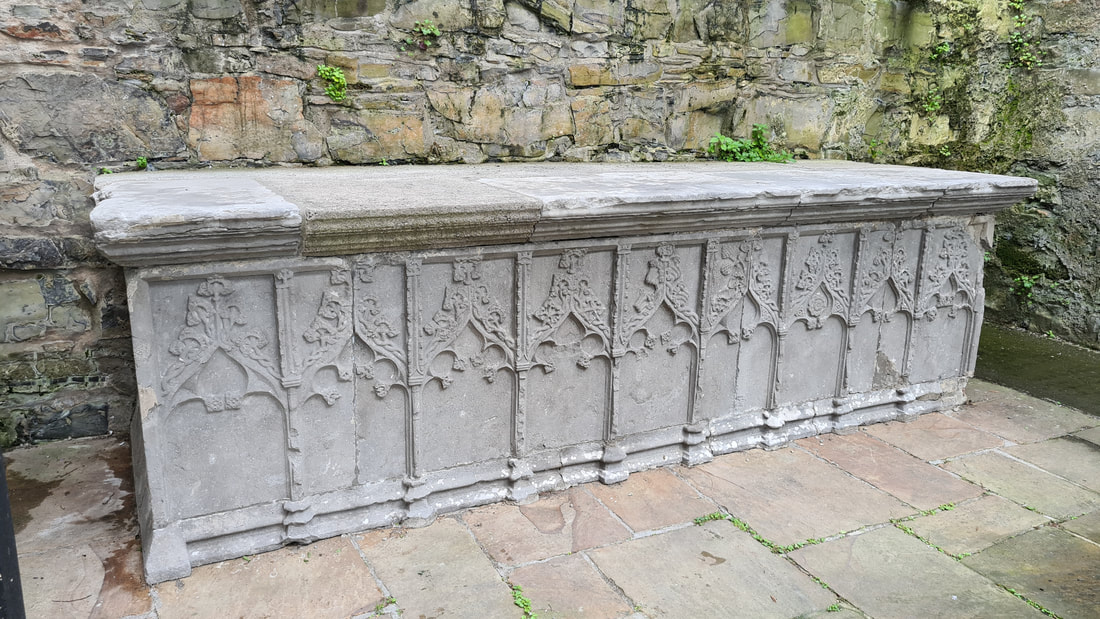
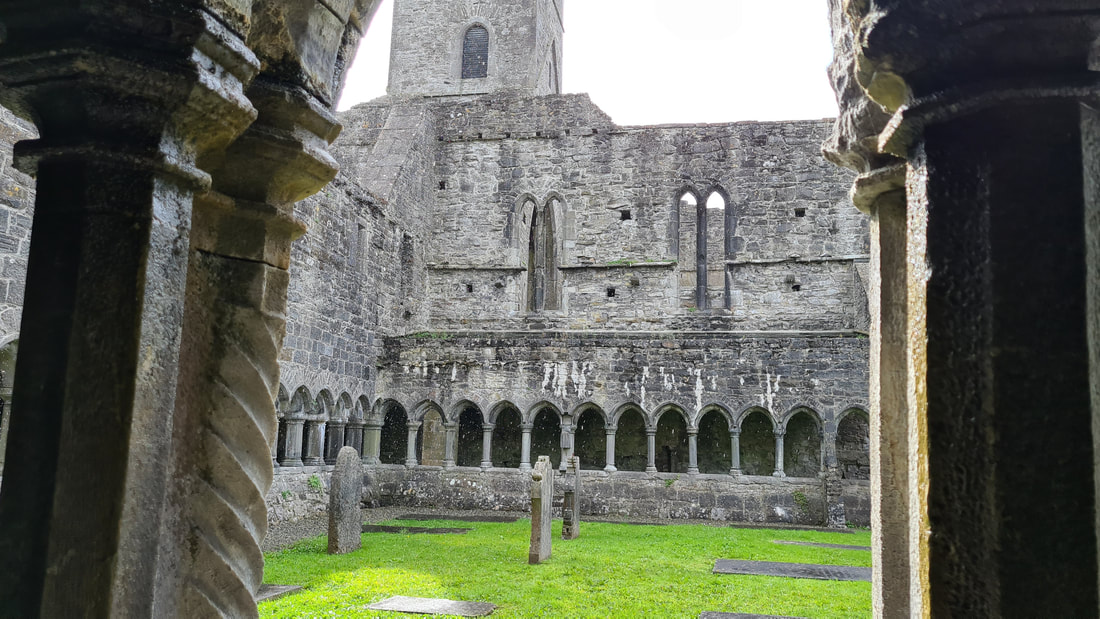
Sligo Abbey is one of Ireland’s most compelling monastic sites, steeped i and architectural splendor. Founded in the mid-13th century by Maurice Fitzgerald , Justiciar of Ireland and founder of the town of Sligo, this Dominican Friary stands as a testament to resilience and artistry through centuries of upheaval.
Despite fires, wars, and the Dissolution of the Monasteries, Sligo Abbey endured. A devastating blaze in 1414 destroyed much of the compound, but restoration efforts — supported by indulgences from Pope John XXIII and funding from local dynasties like the O’Connors and O’Rourkes — helped rebuild the friary and preserve its legacy.
Guided tours:
Visitors today can experience this rich and often turbulent history through guided tours that bring the abbey’s story to life. Learn how Maurice FitzGerald’s vision shaped the town, and how the friary became a burial place for regional nobility, including the Lords of Bréifne. The tours offer vivid storytelling, architectural insights, and a chance to walk in the footsteps of monks, nobles, and pilgrims.
Opening times:
15th March - 01st December: Daily 10.00-18.00
Last admission 45 mins before closing
Admission fee:
Adult: €5.00
Sen/Group: €4.00
Child/Student: €3.00
Family: €13.00
Despite fires, wars, and the Dissolution of the Monasteries, Sligo Abbey endured. A devastating blaze in 1414 destroyed much of the compound, but restoration efforts — supported by indulgences from Pope John XXIII and funding from local dynasties like the O’Connors and O’Rourkes — helped rebuild the friary and preserve its legacy.
Guided tours:
Visitors today can experience this rich and often turbulent history through guided tours that bring the abbey’s story to life. Learn how Maurice FitzGerald’s vision shaped the town, and how the friary became a burial place for regional nobility, including the Lords of Bréifne. The tours offer vivid storytelling, architectural insights, and a chance to walk in the footsteps of monks, nobles, and pilgrims.
Opening times:
15th March - 01st December: Daily 10.00-18.00
Last admission 45 mins before closing
Admission fee:
Adult: €5.00
Sen/Group: €4.00
Child/Student: €3.00
Family: €13.00
Staad Abbey
Staad Abbey is a fascinating and historically rich site located near Streedagh Beach in Agharrow, County Sligo. Though commonly referred to as an abbey, it is more accurately described as a medieval church or shore chapel, believed to have been founded by St.Molaise in the late 5th or early 6th Century.
Historical Significance:
Opening times: 24hours, 7 days
Admission fee: € 0
Historical Significance:
- Pilgrimage Stopover: Staad Abbey served as a resting place for pilgrims and monks on route to Inishmurray Island, a major monastic site founded by St. Molaise. It functioned as a kind of spiritual hostel, offering shelter and a place for prayer before the sea crossing.
- Spanish Armada Connection: In 1588, survivors of the Spanish Armada sought refuge at Staad Abbey after their ships were wrecked off the nearby coast. This dramatic episode is recounted in the memoirs of Captain Francisco de
Opening times: 24hours, 7 days
Admission fee: € 0